
After trying unsuccessfully for years to conceive, my partner and I finally found ourselves marveling at a positive pregnancy test. COVID-19 had just reached our city, and people were delivering their babies in masks, forced to choose a single attendant. Like many American hospitals, ours boasted a high C-section rate, and I’d be faced with pressure to induce with Pitocin and accept an epidural, too. Strict staffing schedules meant I’d likely be delivering among strangers. After so many years of loss and despair, we were desperate for an alternative. Fortunately, certified professional midwives can legally attend home births in our state, so we had options. We hired a midwife and a doula, and the preparations began.
Over the course of the next nine months, we navigated every choice from a place of truly informed consent, and by the time my labor began, I trusted my midwife deeply. A calm and competent witness to my challenging, wonderful home birth, she visited for six weeks afterwards, monitoring me and my baby both. Her model of care made us feel so held, so heard.

I wasn’t prepared for the ways my home birth would change me. Delivering in the comfort of our room, the act seemed to heal old psychological wounds, filling me with an enduring inner strength. I flourished professionally, finally understanding what I was capable of. Even our old house seemed different: the site of something wondrous and spectacular. At the same time, I listened with new ears to the hospital birth stories of those around me, tales of leaving with babies in their arms, their minds swirling with guilt, resentment, and grief. If more people felt powerful instead of traumatized after giving birth, I imagined, then surely the world would be quite different.
A writer by trade, I felt called to share our home birth story with my community. So few people understood home birth as a legitimate, acceptable alternative to the “hospital way.” Scrawling my memories down, the kernel of a bigger idea began to take root. I’d struggled to find modern, accessible books about home birth; now, I imagined creating the collection I’d craved. I pictured an anthology of voices, experts alongside ordinary parents exploring what home birth means to them. With infant in arms, I began my research, propelled by what can only be described as a call. I collaborated with birth experts and new parents from around the world, piecing together the book and welcoming two more home birth babies along the way.
I am forever indebted to the parents and professionals who made the time in their busy lives to share their stories and their wisdom with me—and with you, dear reader. All who contributed to this book did so as a labor of love. Our greatest wish is that you find your own wonders here, empowering you to manifest the birth you desire and deserve.
—Kate McCahill, Spring 2026
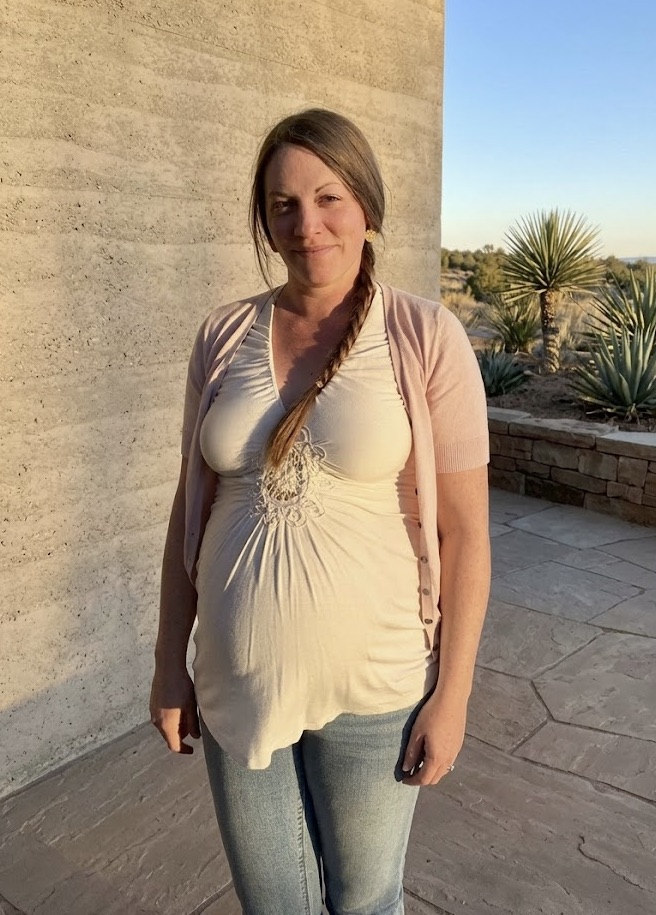
I’m Kate, the creator of Room of Wonders and a professor of English at SFCC in Santa Fe, New Mexico. My first book, Patagonian Road: A Year Alone Through Latin America, was published in 2017 by the Santa Fe Writers Project. My essays, articles, and stories have appeared in many publications, and I’m the editor-in-chief of the Santa Fe Literary Review, an international journal of arts and letters published annually. Learn more here.
Safe, joyful, autonomous childbirth is within reach.
 Room of Wonders